
- What: Article discusses the concept of an agentic SOC using AI for faster threat response
- Impact: Relevant to security professionals looking to adopt AI in their workflows
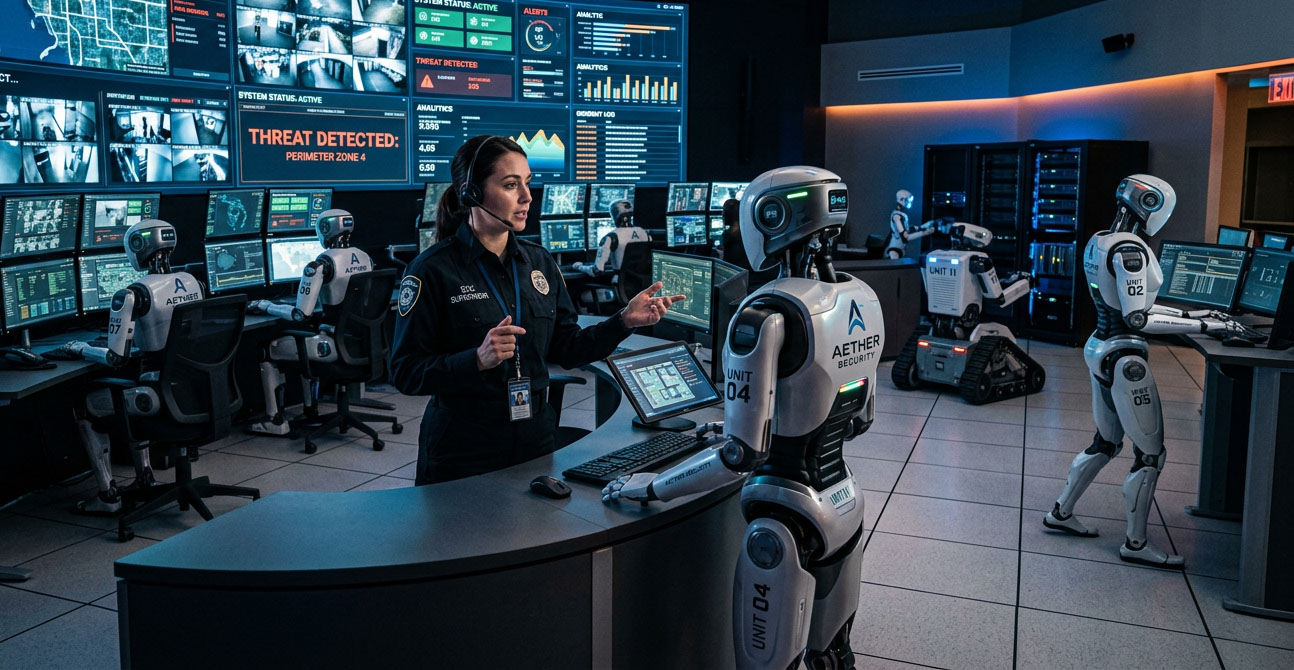
SOC , Incident Response , AI benefits/risks The agentic SOC: How to build machine-speed defense for the AI era August 21, 2026 Share By Paul Wagenseil Created with SocialSight AI AI is accelerating vulnerability discovery as well as vulnerability exploitation. Because of this, there's now a mismatch between the speed of adversarial attacks and the speed of response by security teams who still depend on human-paces workflows. To close this speed gap, security operations centers (SOCs) need to deploy AI not only in vulnerability discovery and remediation, but also in monitoring, detection, forensic investigation, incident containment and threat hunting. One example of this model is how Google AI Threat Defense combines its efforts with specialized Google Security Operations agents so that there is an always-on defensive layer around systems, even those that may temporarily remain exposed because they cannot be patched immediately. The 2026 Verizon Data Breach Investigations Report found that the median time for full resolution of known vulnerabilities was 43 days, while only 26% of CISA-listed critical vulnerabilities were fully remediated across the 13,000 organizations surveyed. "While proactive defense can identify vulnerabilities before they can be exploited, there will be applications that you cannot patch, as well as potential gaps in the time it takes to remediate vulnerabilities," Google's Jon Ramsey and Payal Chakravarty write in a recent Google blog post . How AI-powered SOC agents help close security gaps Even top-notch vulnerability-management programs can't fix everything immediately. An organization may depend on third-party software it doesn't control or run proprietary applications that may be too fragile or operationally critical to patch quickly. Consider this the remediation gap, the fraught period during which a SOC teams knows a vulnerability is there but can't yet remediate it. To make things safer during that risky interval, AI agents can create compensating controls. For example, Google's Detection Engineering agent can aggregate and analyze threat intelligence offensive-tool repositories, red- and purple-team reports, malware analysis and internal telemetry. This lets the agent spot coverage gaps, generate custom-tailored detection rules, and even validate potential vulnerabilities by red-teaming them with synthetic attack events before a genuine exploit arrives. How autonomous triage, investigation, and containment reduce incident-response times Once suspicious activity appears, AI can also speed up the investigative work that often consumes analysts' time. Google Security Operations agents can correlate signals from endpoints, identity systems, networks, cloud environments, firewalls, and application logs to build a fuller picture of an attack. The Triage and Investigation agent can collect evidence, pore over alert logs and then produce verdicts with explanations and a narrative of the incident — tasks that often take up a lot of human analysts' time. Thanks to these AI agents, an investigation that takes half an hour when done manually can be reduced to a minute. Meanwhile, their human counterparts can focus on higher-priority threats. The next step is for agents to contain and remediate incident by following playbooks and reasoning from experience, while being supervised by human analysts who make the high-impact decisions. How continuous threat hunting makes security operations more proactive Automated detection, even when led by AI agents, still can't guarantee that every attack will be stopped right away. Sophisticated adversaries and zero-days will often be able to slip past frontline controls, and SOCs will have to search retrospectively for evidence of compromise. Fortunately, Google's Threat Hunting agent is an example of an AI agent designed to perform precisely that task. It can sift through petabytes of current and historical enterprise telemetry and look for subtle anomalies, new attack patterns and stealthy behavior that conventional detection processes may have missed. This degree of automation can change threat hunting from a sporadic, analyst-heavy exercise into an ongoing activity. Instead of having analysts waiting for an alert, an SOC can have agents continuously looking for evidence that an adversary may already be present. Agentic activity in the SOC isn't a replacement for human analysts. If anything, it's a new operating model that will let the analysts get more done quickly. Platforms like Google AI Threat Defense can do the initial work of identifying exposures , validating exploits and accelerating remediation, while Security Operations AI agents can follow up by generating detections, investigating alerts, orchestrating routine containment and hunting for hidden compromises. When you put all these AI-driven capabilities together, it lets the human analysts move upward in the decision chain. Rather than being tied down by mundane tasks, the analysts can supervise high-impact actions, investigate ambiguities and apply business judgment. Such partnerships may become crucial to keeping SOCs from becoming the slowest components in enterprise defense. Paul Wagenseil Paul Wagenseil is a custom content strategist for CyberRisk Alliance, leading creation of content developed from CRA research and aligned to the most critical topics of interest for the cybersecurity community. He previously held editor roles focused on the security market at Tom’s Guide, Laptop Magazine, TechNewsDaily.com and SecurityNewsDaily.com. Related AI/ML Is cybersecurity already full of AI slop? Dominik Richter July 24, 2026 Agentic AI cuts alert noise by prioritizing and fixing real risks, not creating more work. Event logging Beyond 24/7 Monitoring: What CISOs Should Ask Before Choosing an MSSP SC Media Editorial Intelligence, reviewed by Dustin Sachs July 17, 2026 Evaluation should start with the operating problem your organization needs solved Application security CISOs no longer get to choose because AI is redefining the SOC Tom Findling July 16, 2026 AI in the SOC demands trust built through oversight, transparency, and validation. Related Events Cybercast Stay ahead in the SOC: Contain threats with confidence and control On-Demand Event Get daily email updates SC Media's daily must-read of the most current and pressing daily news Business Email By clicking the Subscribe button below, you agree to SC Media Terms of Use and Privacy Policy . Subscribe Related Terms Blue Team Boot Record Infector Cold Warm Hot Disaster Recovery Site Computer Emergency Response Team (CERT) Countermeasure Cron Daemon Disaster Recovery Plan (DRP) Stimulus You can skip this ad in 5 seconds